

What is Scarlet Road
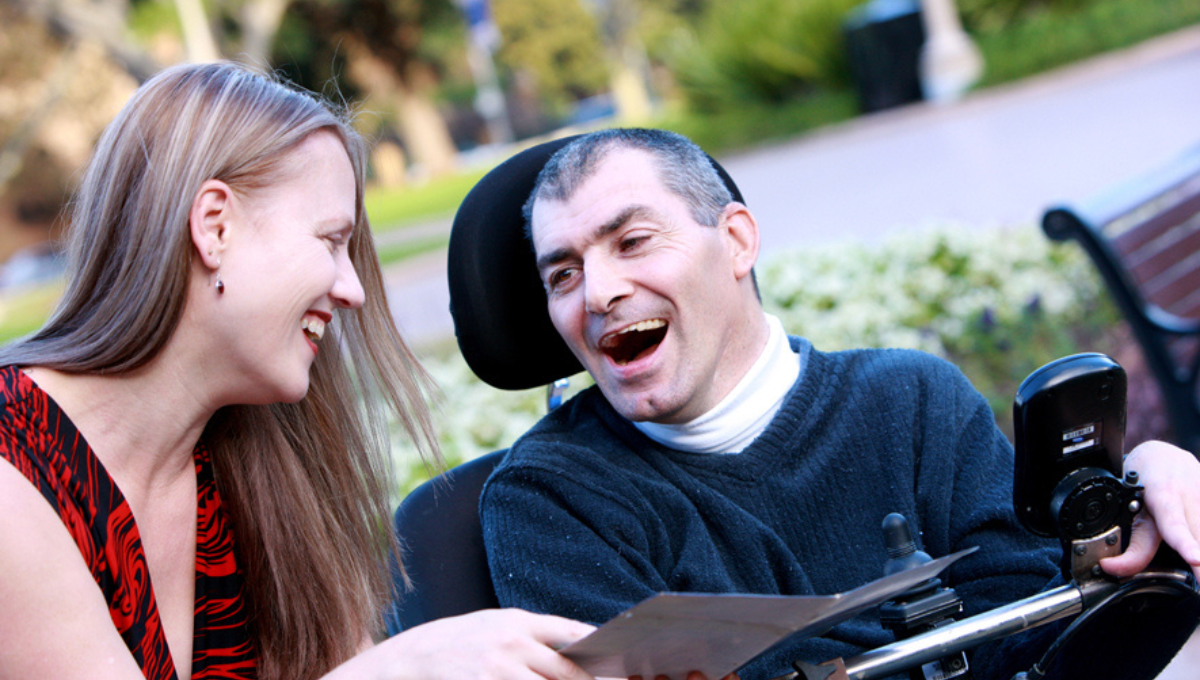
Scarlet Road is a 2011 Australian documentary film directed by Catherine Scott, produced by Pat Fiske. Wikipedia+1 It follows the life and work of Rachel Wotton, a sex worker who serves clients with disabilities in New South Wales, where prostitution is decriminalised. Wikipedia+2wmm.com+2
Key Facts
| Element | Details |
|---|---|
| Director | Catherine Scott Wikipedia |
| Producer | Pat Fiske wmm.com+1 |
| Starring / Main Figures | Rachel Wotton, plus her clients Mark (cerebral palsy) and John (multiple sclerosis) wmm.com+2scarletroad.com.au+2 |
| Runtime | About 106 minutes (~1h 46min) IMDb+1 |
| Country | Australia Wikipedia+1 |
| Language | English Wikipedia+2wmm.com+2 |
| Screening | Premiered at the Sydney Film Festival, screened at various film festivals and public events. scarletroaddocumentary.vhx.tv+3Wikipedia+3scarletroad.com.au+3 |
Subject & Themes
Scarlet Road explores several interrelated topics:
-
Sex work and dignity — The film humanizes sex work, especially as performed by Rachel Wotton, showing her as educated, articulate, and committed. It challenges stereotypes. scarletroad.com.au+2Dr Rachel Wotton –+2
-
Disability & sexuality — One of the central themes: how society tends to desexualize disabled people. The film gives voice to clients with disabilities, their desires, and emotional/physical intimacy needs. wmm.com+2scarletroad.com.au+2
-
Human touch, intimacy, therapy — Beyond sexual services, the documentary makes the case for physical touch and intimacy as part of human well-being. Rachel’s work with clients shows therapeutic impact. wmm.com+2scarletroad.com.au+2
-
Advocacy, policy, stigma — It looks at the law (in NSW, decriminalised sex work), activism via “Touching Base” (an advocacy/training group) and the bigger discourse about rights, stigma, and access. Wikipedia+2scarletroad.com.au+2
How the Film Was Made
-
Filming took place over three years to allow Rachel Wotton’s work, life, and relationships to be fully represented. scarletroad.com.au+1
-
It includes interviews with clients, their families, sex workers, and scenes showing Rachel’s academic work and campaigns. wmm.com+2Dr Rachel Wotton –+2
-
The documentary strives to avoid sensationalism, instead using an empathetic, human-centered storytelling approach. wmm.com+1
Subtitle & Accessibility Information
While I didn’t find specific sources confirming which subtitles are officially released (for example, if there are subtitles in Spanish, French, etc.), here’s what is known:
-
The documentary is in English. Wikipedia+1
-
It has been presented at festivals and on platforms (e.g. Cinema Politica) that often provide subtitles or captions. cinemapolitica.org
-
On ReelAbilities (a festival which emphasizes disability access), Scarlet Road is listed with “Open Captions”. That suggests version(s) with captions/subtitles for those who are hearing-impaired. reelabilities.org
-
To watch/purchase it (through VHX, etc.), typically streaming services might offer subtitle/caption options depending on region. The official site (Rachel Wotton’s site) indicates the film is available via VHX for rental/purchase. Dr Rachel Wotton –+1
If you need subtitles in a specific language, it’s best to check the version offered in your region, or contact the distributor. Sometimes community or festival subtitles exist, but be sure they are legal and accurate.
Impact & Reception
Scarlet Road has been praised for its courage, empathy, and capacity to shift public perception. Some reception highlights:
-
On Rotten Tomatoes, audience reviews highlight how the film is moving and thought-provoking. Rotten Tomatoes
-
It was nominated for several awards: Walkley Documentary Award, Foxtel Australian Documentary Prize. Wikipedia
-
The film has been used in academic, disability studies, gender studies, and advocacy contexts. It is screened in festivals focused on social justice, disability rights, and sexual health. wmm.com+2reelabilities.org+2
Criticisms & Challenges
As with many documentaries that deal with sensitive topics, there are certain critiques or challenges:
-
Ethical boundaries around privacy and intimacy: filming clients in vulnerable situations requires careful consent and ethical handling. The film handles this by gaining consent and collaborating closely with subjects. wmm.com+1
-
Potential discomfort in audiences: content may challenge viewers’ preconceived notions, which some may find confronting.
-
Accessibility depending on region: the availability of subtitles/captions in multiple languages or for hearing impaired isn’t always guaranteed.
Why Scarlet Road Matters
-
Breaks taboos — The film gives dignity to people often overlooked: disabled individuals and sex workers.
-
Humanizes sexuality and disability — Helps viewers understand that intimacy and sexuality are human rights, not privileges.
-
Policy implications — Contributes to discussions about sex work decriminalisation, disability rights, sexual health.
-
Educational value — Useful for schools, universities, advocacy groups to spark conversations about inclusion, stigma, human rights.
Where to Watch & How to Find Subtitles
If you want to watch Scarlet Road and get a suitable subtitled or caption version:
-
Official sources: Producer or director’s website (Rachel Wotton’s page) offers purchase or streaming via VHX. Dr Rachel Wotton –+1
-
Public screenings / festivals: Check disability film festivals, human rights festivals, or university screenings in your area.
-
Streaming platforms: Some services may carry it depending on your location. Use platforms that allow checking “subtitles” or “captions” in metadata.
-
Library or academic resources: Some universities may have copies with subtitles for educational use.
Conclusion
Scarlet Road is a powerful documentary that combines compassion, advocacy, and storytelling to shine a light on the intersection of sex work and disability often ignored in public conversations. It shows not only the intimate and personal side of its subjects, but also pushes broader societal discussions about rights, access, and dignity.
If you’re planning to watch it, looking for subtitles, or using it for educational/work advocacy purposes — this documentary offers valuable content. Just make sure to pick a version with captions or subtitles if needed, verify rights, and approach it with the openness to learn.
