

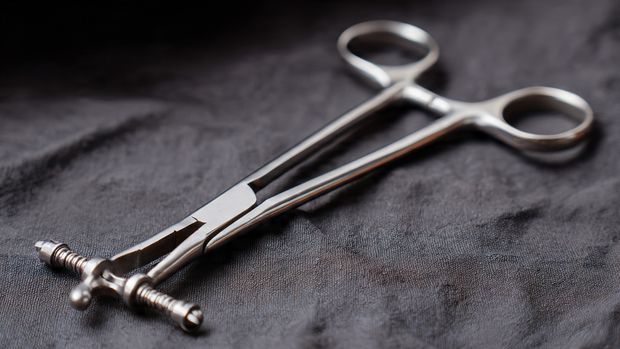
The Doyen retractor is a vital surgical instrument widely used by surgeons and medical professionals to provide exposure and access to operative sites. Its precision, durability, and ergonomic design make it an essential tool in many surgical specialties, ranging from general surgery to orthopedic, abdominal, and thoracic procedures. Understanding the uses, handling, and best practices of the Doyen retractor is critical for medical students, surgical nurses, and practicing surgeons alike.
This comprehensive guide covers everything you need to know about the Doyen retractor, including its types, applications, handling techniques, and safety considerations.
What Is a Doyen Retractor?
A Doyen retractor is a handheld surgical instrument designed to hold back tissues, organs, or other structures, providing surgeons with a clear and unobstructed view of the surgical field. Unlike self-retaining retractors, the Doyen retractor typically requires manual holding or assistance from a surgical team member.
Key Features:
-
Made of stainless steel for durability and easy sterilization
-
Various sizes and shapes to accommodate different tissues and procedures
-
Smooth or serrated blades for gentle tissue retraction
-
Lightweight design to reduce hand fatigue
The Doyen retractor is commonly used in abdominal, thoracic, and orthopedic surgeries, but it can also have specialized applications in vascular and urological procedures.
Types of Doyen Retractors
Doyen retractors come in several designs, depending on the intended use:
-
Standard Doyen Retractor
-
Features a flat, curved blade with smooth edges
-
Used for general retraction of soft tissues
-
-
Serrated Blade Doyen Retractor
-
Serrations provide better grip on slippery tissues
-
Useful in deeper cavities where tissue slippage is a concern
-
-
Right-Angle or L-Shaped Doyen Retractor
-
Used for exposing deeper surgical sites
-
Provides leverage for separating tissue layers
-
-
Small Pediatric or Mini Doyen Retractor
-
Designed for pediatric surgeries or delicate procedures
-
Allows precision without causing tissue trauma
-
Primary Uses of the Doyen Retractor
The Doyen retractor is a versatile tool in the surgical field, with multiple uses depending on the procedure:
1. Abdominal Surgery
-
Retracts the peritoneum, intestines, and abdominal muscles
-
Provides access to organs like the liver, spleen, and stomach
-
Commonly used in appendectomy, hernia repair, and bowel resections
2. Thoracic Surgery
-
Assists in chest wall or rib retraction
-
Provides access to lungs, heart, and mediastinal structures
-
Often used in thoracotomy or minimally invasive thoracic procedures
3. Orthopedic Surgery
-
Holds back muscle or fascia layers during bone exposure
-
Useful in hip, knee, or spine procedures for better visualization
-
Helps maintain a clear operative field without tissue damage
4. Vascular Surgery
-
Retracts blood vessels or surrounding tissue gently
-
Enables precise dissection and suturing without trauma
5. Urological Surgery
-
Exposes structures like the kidneys, ureters, or bladder
-
Assists in procedures requiring minimal tissue manipulation
6. Other Specialized Procedures
-
ENT procedures for tissue separation in delicate areas
-
Plastic surgery for soft tissue retraction
-
General surgical exposure in laparoscopic or open surgery
How to Use a Doyen Retractor Properly
Proper handling of the Doyen retractor is crucial to avoid tissue damage and ensure surgical efficiency.
Step-by-Step Technique
-
Select the Appropriate Size
-
Consider the depth of the cavity and type of tissue
-
-
Position the Blade Carefully
-
Insert gently between tissue layers
-
Avoid excessive pressure on nerves or vessels
-
-
Maintain Steady Retraction
-
Keep the tissue exposed without jerky movements
-
Coordinate with the surgical team
-
-
Adjust As Needed
-
Reposition for better access as the procedure progresses
-
-
Clean and Inspect After Use
-
Sterilize according to hospital protocols
-
Check for bending or damage to the blade
-
Benefits of Using a Doyen Retractor
The Doyen retractor provides multiple advantages in surgical procedures:
-
Improved Visibility: Enhances access to deep or narrow surgical sites
-
Minimized Tissue Trauma: Smooth or serrated blades reduce risk of tearing
-
Versatility: Suitable for multiple specialties and procedures
-
Durability: Stainless steel construction allows repeated sterilization
-
Ergonomic Design: Lightweight and easy to maneuver during surgery
Safety Considerations
When using a Doyen retractor, safety is paramount:
-
Avoid Excessive Force
-
Overstretching tissue can cause necrosis or nerve injury
-
-
Proper Blade Selection
-
Using the wrong size may damage tissues or reduce visibility
-
-
Sterility
-
Ensure the instrument is fully sterilized to prevent infection
-
-
Coordinate With Surgical Team
-
Prevent accidental slips or collisions during retraction
-
-
Monitor Tissue Perfusion
-
Avoid prolonged pressure on delicate tissues to prevent ischemia
-
Maintenance and Sterilization
Maintaining the Doyen retractor ensures longevity and patient safety:
-
Wash immediately after use to remove blood and debris
-
Sterilize using an autoclave according to hospital protocol
-
Inspect regularly for bends, cracks, or dull edges
-
Store in a clean, dry environment
Comparison With Other Retractors
| Feature | Doyen Retractor | Army-Navy Retractor | Senn Retractor |
|---|---|---|---|
| Blade Design | Flat, curved (smooth/serrated) | Double-ended, flat blades | Small, L-shaped, serrated |
| Usage | Multi-specialty, deep tissue | Superficial tissue retraction | Small incisions, superficial |
| Handheld / Self-retaining | Handheld | Handheld | Handheld |
| Tissue Safety | Gentle | Moderate | Small delicate tissues |
The Doyen retractor stands out for deep tissue access and versatility across multiple surgical fields.
Conclusion
The Doyen retractor is an indispensable surgical instrument that enhances visibility, improves surgical efficiency, and reduces tissue trauma. Its versatility allows its use in abdominal, thoracic, orthopedic, vascular, urological, and specialized surgeries. By understanding its types, uses, handling techniques, and safety measures, medical professionals can ensure optimal outcomes and patient safety.
Whether you are a surgical student, nurse, or practicing surgeon, mastery of the Doyen retractor is a key skill that contributes to high-quality surgical care.
