

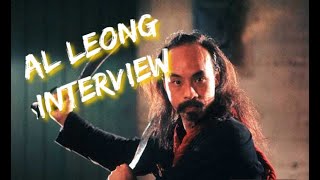
Al Leong, a name synonymous with action-packed Hollywood films, has built a legendary career as one of the most recognizable faces in the world of cinema. Known for his signature long hair, villainous roles, and martial arts expertise, Leong has carved a niche in Hollywood that few actors achieve. In this exclusive interview, we dive into the journey, challenges, and stories behind his most memorable roles.
Early Life and Martial Arts Beginnings
Al Leong was born in St. Louis, Missouri, to Chinese-American parents. From a young age, he was drawn to martial arts and physical training, an interest that would later shape his career in Hollywood. He trained in various disciplines, including karate and kung fu, giving him the agility and precision that made him a perfect fit for action films.
Leong often credits his martial arts background for helping him break into Hollywood. “Martial arts wasn’t just a hobby,” Leong recalls. “It was my way of standing out in an industry that was very competitive. It gave me confidence and a unique skill set.”
Breaking into Hollywood
Al Leong’s Hollywood journey began in the 1980s, a time when action films were booming, and martial arts stars were in high demand. He quickly became a go-to actor for directors looking for a reliable villain or skilled henchman. Some of his earliest notable appearances included films like Lethal Weapon, Big Trouble in Little China, and Die Hard.
Despite often playing antagonistic roles, Leong embraced the challenge. “I loved playing the villain because it gave me the chance to show physicality and presence,” he says. “Villains are memorable—they stay in the audience’s mind long after the movie ends.”
Iconic Roles and Memorable Moments
Leong’s filmography reads like a catalog of 1980s and 1990s action classics. He played unforgettable roles in Lethal Weapon, Die Hard, The Last Boy Scout, and Showdown in Little Tokyo. Each character required precision stunts, fight choreography, and a willingness to push physical boundaries.
One of his most talked-about experiences was working on Die Hard. Leong explains, “Being part of that film was intense. The stunts were challenging, and the action sequences were shot in ways that demanded precision. Every take mattered, because even a small mistake could ruin the scene.”
Fans also remember him for his unique look—long hair, often styled in a wild fashion, paired with a fierce expression—that made him the perfect villain on screen. Leong laughs, “I never planned to have a ‘signature look,’ but I guess it became my brand.”
Challenges and Triumphs
Like many actors in Hollywood, Al Leong faced challenges, particularly typecasting. While he excelled at playing henchmen and villains, it sometimes limited the roles offered to him. However, Leong embraced his niche, turning it into a strength rather than a setback.
“Typecasting can feel frustrating, but I realized it also gave me consistent work,” he says. “I made the roles memorable, and that longevity is something many actors never achieve.”
Leong also highlights the physical demands of his roles. Fight sequences, stunt work, and long shooting days required peak fitness and mental focus. “Preparation was key,” he notes. “You have to treat every scene like a mini-battle—you can’t afford to be careless.”
Reflections on Hollywood Today
Having witnessed decades of change in the film industry, Leong shares his perspective on modern Hollywood. He notes that while action films have evolved with technology, practical stunts still hold value. “CGI can enhance a scene, but nothing beats the authenticity of real stunts and real physical performances,” he says.
He also encourages aspiring actors to focus on honing their craft, whether it’s martial arts, acting, or stunt work. “Skill sets make you unique,” Leong advises. “The more versatile you are, the more opportunities you’ll find.”
Legacy and Influence
Al Leong’s legacy in Hollywood is enduring. He remains a cult favorite among action movie fans, celebrated for his memorable performances and contributions to the genre. Many contemporary actors and stunt performers cite him as an inspiration, particularly for his dedication, work ethic, and ability to command a scene without dialogue.
“Being remembered for the work you love is a great feeling,” Leong reflects. “I hope I’ve inspired others to embrace their own uniqueness and pursue their passions relentlessly.”
Conclusion
Al Leong’s career is a testament to talent, perseverance, and the power of carving a niche in a competitive industry. From martial arts beginnings to iconic roles in blockbuster action films, Leong’s journey offers valuable insights for anyone passionate about cinema, stunts, or performance. Behind the tough exterior of his on-screen characters lies a story of dedication, resilience, and a genuine love for the art of film.
Whether you grew up watching him on the big screen or are discovering his work for the first time, Al Leong’s contributions to Hollywood’s toughest roles will continue to captivate and inspire for years to come.
