

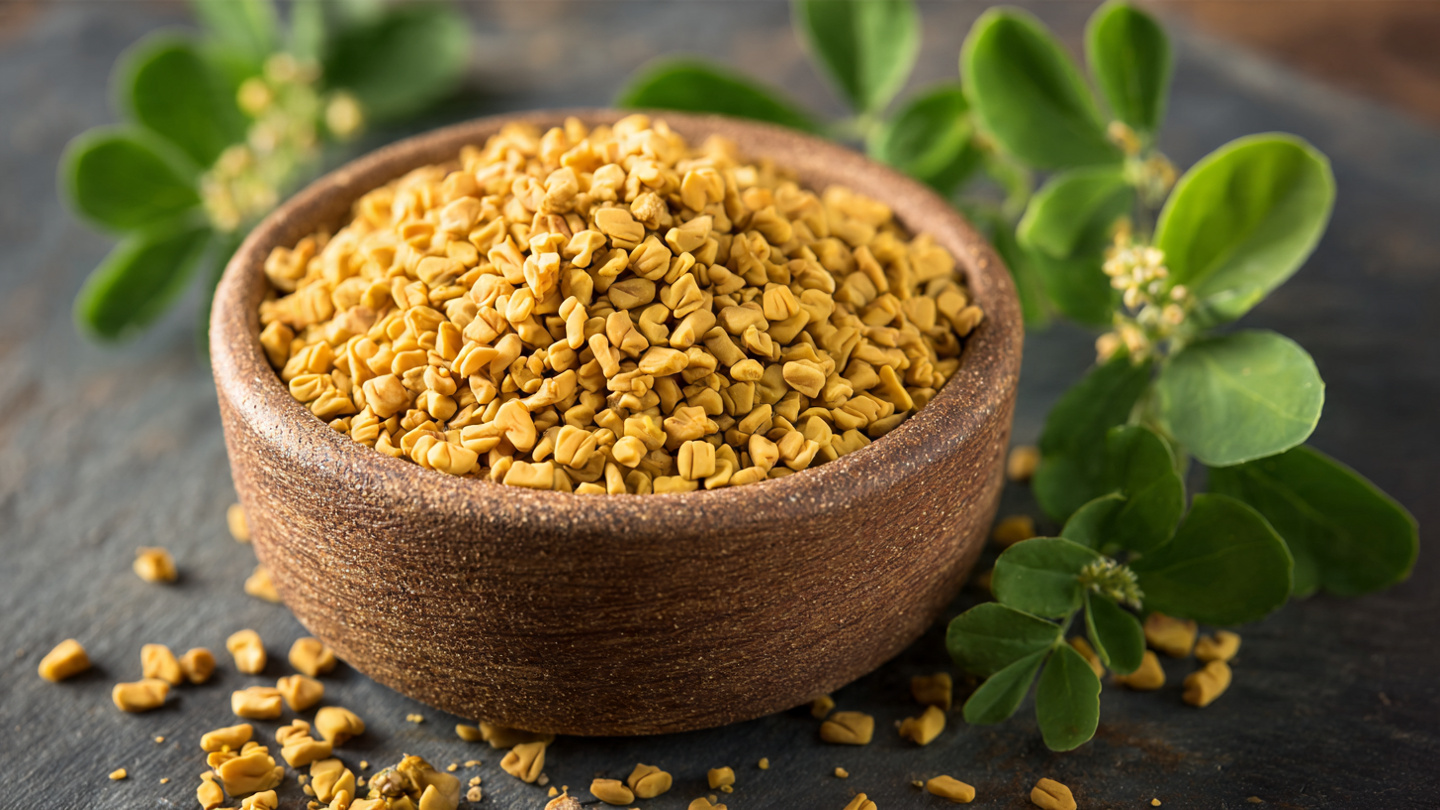
Foenegriek, also known as fenugreek, is a versatile herb with a rich history rooted in traditional medicine and culinary traditions. Known scientifically as Trigonella foenum-graecum, this plant has been valued for centuries across different cultures for its numerous health benefits and culinary applications. In this complete guide, we’ll explore what foenegriek is, its various uses, the benefits it offers, and the potential risks associated with its consumption.
What Is Foenegriek?
Foenegriek (fenugreek) is an annual herb native to the Mediterranean region, southern Europe, and western Asia. It features small, golden-brown seeds that are aromatic and slightly bitter with a nutty flavor. The seeds are commonly used as a spice in cooking, especially in Indian, Middle Eastern, and North African cuisines. Beyond its culinary uses, foenegriek has been prized in herbal medicine for its potential health-promoting properties.
Uses of Foenegriek
Culinary Uses
- Spice Ingredient: Fenugreek seeds are used whole or ground in spice blends like curry powders and garam masala.
- Flavor Enhancer: The seeds add a distinct, slightly sweet and nutty flavor to dishes such as stews, lentils, and pickles.
- Herbal Tea: Fenugreek seeds can be soaked and brewed to make a herbal tea believed to aid digestion.
Medicinal Uses
- Traditional Medicine: In Ayurvedic and traditional Chinese medicine, fenugreek has been used to treat a variety of ailments, including digestive issues, inflammation, and hormonal imbalances.
- Supplement Form: Fenugreek extracts and capsules are popular dietary supplements aimed at boosting milk production, managing blood sugar, and improving overall health.
Cosmetic Uses
- Skincare: Fenugreek can be used in natural skincare remedies to soothe skin irritations and improve skin elasticity.
- Hair Care: Fenugreek powder is often included in hair masks to promote hair growth and reduce dandruff.
Benefits of Foenegriek
1. Supports Blood Sugar Control
Fenugreek contains soluble fibers that can help regulate blood sugar levels, making it beneficial for individuals with diabetes or insulin resistance.
2. Enhances Milk Production in Lactating Women
Many breastfeeding mothers use fenugreek supplements to increase breast milk supply, supported by anecdotal evidence and some scientific studies.
3. Aids Digestion and Reduces Inflammation
Fenugreek has anti-inflammatory properties and can help soothe digestive issues such as indigestion, gastritis, and constipation.
4. Promotes Heart Health
The herb’s ability to lower cholesterol levels and improve lipid profiles contributes to cardiovascular health.
5. Supports Weight Management
Fenugreek’s fiber content can promote satiety, helping with appetite control and weight management.
6. Rich in Nutrients
Fenugreek seeds are a good source of protein, fiber, vitamins (such as B vitamins), and minerals like iron, magnesium, and manganese.
Risks and Side Effects of Foenegriek
While fenugreek offers many benefits, it’s important to be aware of potential risks:
- Allergic Reactions: Some individuals may experience allergic reactions, including skin irritation or respiratory issues.
- Gastrointestinal Discomfort: Excessive consumption can lead to bloating, gas, or diarrhea.
- Blood Sugar Levels: Fenugreek may lower blood sugar too much in some people, especially those on diabetic medications.
- Pregnancy and Breastfeeding: Although often used to increase milk supply, high doses should be avoided during pregnancy as they can stimulate uterine contractions.
- Drug Interactions: Fenugreek may interact with blood-thinning medications, anticoagulants, or diabetes drugs.
How to Use Foenegriek Safely
- Start with Small Doses: When trying fenugreek for the first time, begin with small amounts to assess tolerance.
- Consult Healthcare Providers: If you are pregnant, nursing, or on medication, consult your healthcare provider before adding fenugreek supplements to your routine.
- Use Food-Grade Products: Ensure you’re using high-quality, food-grade fenugreek seeds or supplements.
Conclusion
Foenegriek, or fenugreek, is a powerful herb with a wide range of culinary, medicinal, and cosmetic applications. Its benefits—such as blood sugar regulation, improved digestion, and support for lactation—make it a valuable addition to many health regimens. However, like all natural remedies, it comes with potential risks that should not be overlooked. Responsible use, informed by knowledge and medical advice, can help you harness the full potential of this remarkable herb.
