

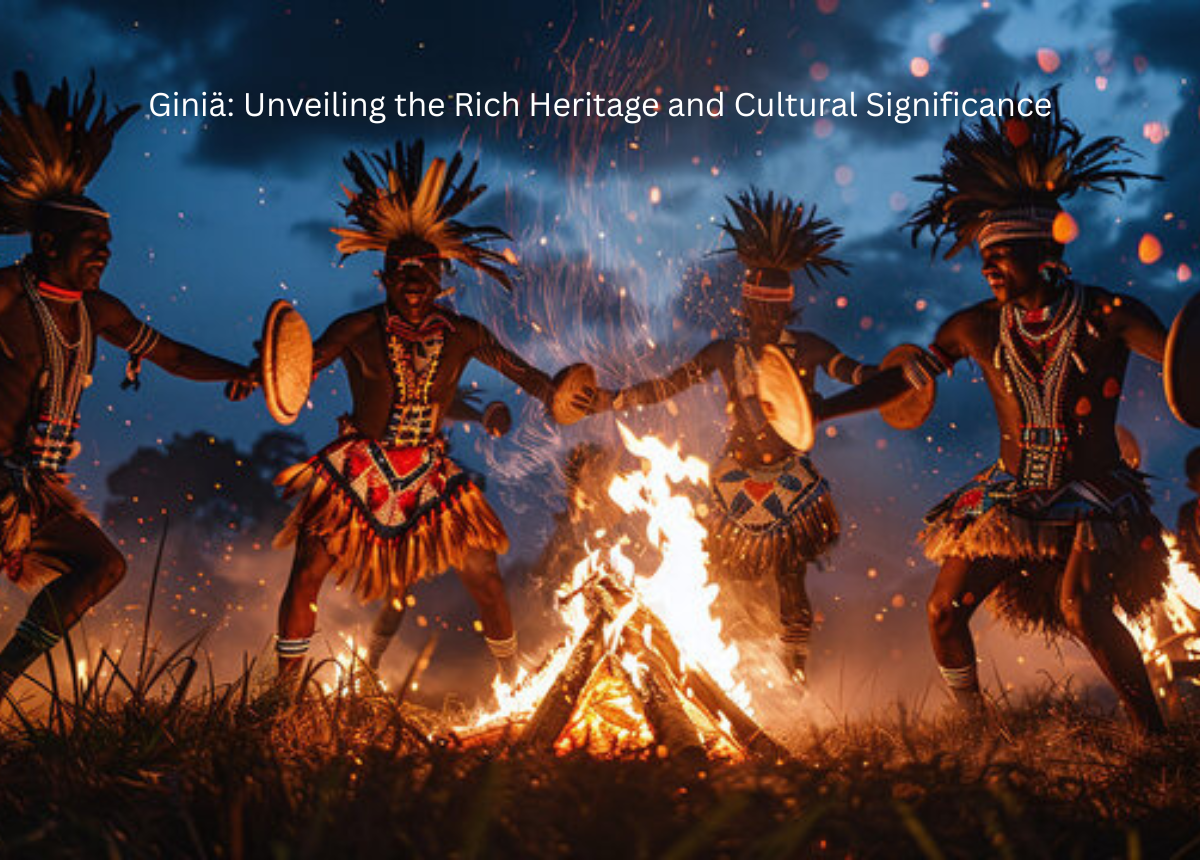
In the vast tapestry of global cultures, certain traditions, rituals, and symbols stand out due to their deep-rooted history and cultural significance. One such fascinating element is Giniä. While it might not be universally known, Giniä carries a profound importance in the communities that embrace it. This blog post aims to explore everything there is to know about Giniä — its origins, meaning, cultural relevance, and contemporary significance.
What is Giniä?
Giniä (sometimes spelled as Giniya or Giniyä, depending on regional dialects) is a traditional practice, symbol, or ritual that is deeply embedded in the cultural fabric of certain communities, particularly in regions of Central Asia, Siberia, or specific indigenous groups. The term itself can vary in pronunciation and spelling but generally refers to a set of customs or a ceremonial element that embodies social, spiritual, or cultural values.
In some contexts, Giniä is associated with:
- Rituals of passage (such as coming-of-age ceremonies)
- Spiritual ceremonies invoking ancestors or deities
- Cultural symbols represented through art, clothing, or performances
- Community bonding practices that reinforce social cohesion
Historical Origins
The origins of Giniä trace back centuries, often rooted in indigenous traditions that predate modern nation-states. These practices were passed down orally through generations and served multiple purposes:
- Preserving history and mythology
- Reinforcing social hierarchies
- Connecting communities with nature and the spiritual realm
In many cases, Giniä is linked to shamanistic traditions, animism, or early spiritual beliefs, emphasizing harmony with the environment and respect for ancestors.
Cultural Significance
1. Symbol of Identity
For many indigenous groups, Giniä is more than just a ritual — it embodies cultural identity. It differentiates one community from another and acts as a vessel for historical continuity.
2. Spiritual Connection
Giniä often involves spiritual elements, such as offerings, dances, or chants, meant to invoke blessings, protection, or guidance from higher powers or ancestors.
3. Social Cohesion
Participating in Giniä rituals fosters a sense of belonging and reinforces social bonds within the community. It is often performed during festivals, rites of passage, or significant communal events.
4. Artistic Expression
Many Giniä-related practices involve distinctive clothing, masks, music, and dance, showcasing intricate craftsmanship and artistic traditions.
Modern Context and Preservation
With the advent of modernization, globalization, and cultural shifts, traditional practices like Giniä face challenges of preservation. However, there has been a resurgence of interest in safeguarding these traditions through:
- Cultural festivals
- Ethnographic research
- Educational programs
- Tourism initiatives
Organizations and local communities are increasingly recognizing the importance of Giniä as a vital part of their intangible cultural heritage.
Giniä in Contemporary Society
While Giniä retains its roots in tradition, contemporary adaptations have emerged:
- Fusion with modern art and dance to attract younger generations
- Inclusion in cultural festivals and international events to promote awareness
- Documentation through media and digital platforms to ensure its continuity
These efforts aim to strike a balance between honoring tradition and embracing modernity.
Challenges to Preservation
Despite positive efforts, several challenges threaten the survival of Giniä practices:
- Cultural assimilation and loss of indigenous languages
- Urbanization reducing rural community gatherings
- Lack of funding and institutional support
- Generational gaps where younger generations show less interest
Addressing these issues requires collaborative efforts involving communities, governments, and cultural organizations.
How to Experience Giniä
If you’re interested in experiencing Giniä firsthand, here are some ways:
- Attend cultural festivals in regions where Giniä is practiced
- Visit museums or cultural centers showcasing indigenous traditions
- Participate in workshops or seminars on traditional arts and rituals
- Support indigenous communities through responsible tourism and cultural exchange
Conclusion
Giniä represents a vital thread in the rich fabric of indigenous cultural heritage. Its historical roots, spiritual significance, and artistic expressions make it a fascinating subject of study and appreciation. Preserving such traditions ensures that future generations can continue to learn from and celebrate the diverse ways humanity connects with its history, spirituality, and community.
As we embrace the diversity of human culture, understanding and respecting practices like Giniä becomes essential in fostering a more inclusive and appreciative global society. Whether as a cultural researcher, traveler, or enthusiast, exploring Giniä offers a window into the profound depths of human tradition and identity.
Interested in learning more or participating in Giniä-related events? Stay connected with local cultural organizations or visit regions where these traditions thrive to experience their beauty firsthand.
