

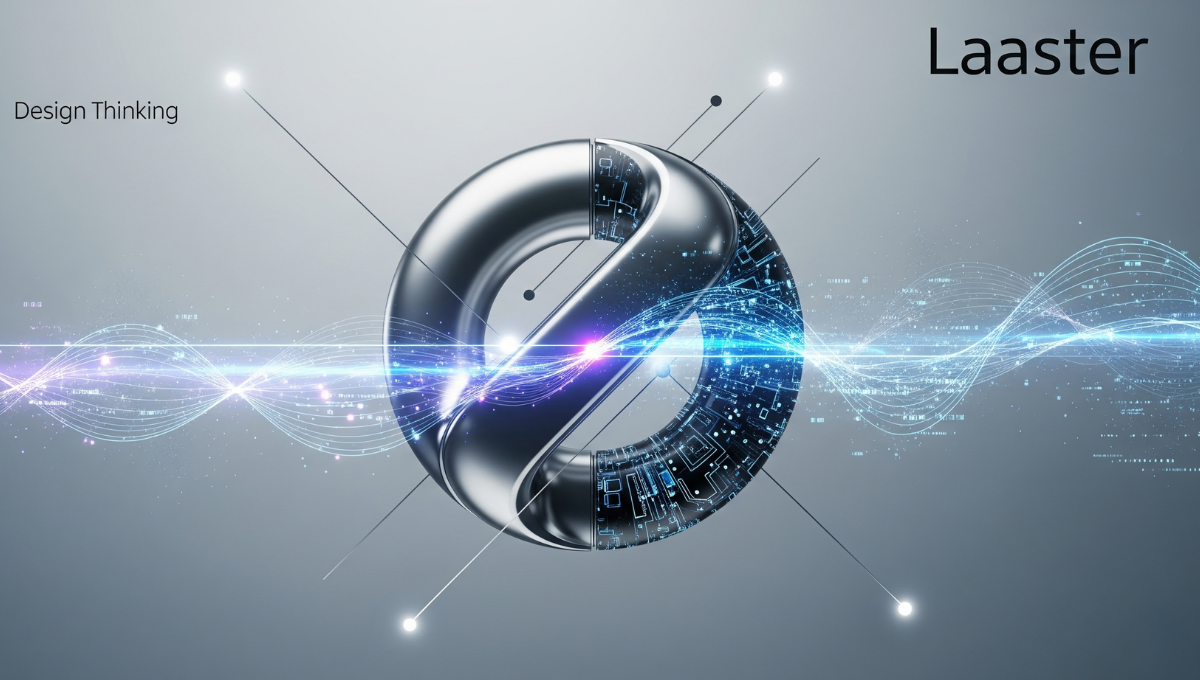
In the ever-changing world of innovation, new concepts and trends constantly shape how we work, create, and interact with technology. One of the most talked-about movements today is Laaster—a rising trend that is quickly gaining traction in both the tech and design industries. While the term may sound mysterious at first, Laaster represents a powerful shift toward smoother integration, aesthetic innovation, and user-centered progress.
This article explores what Laaster is, why it matters, and how it’s setting new standards for the future of technology and design.
What Is Laaster?
Laaster is best described as an emerging concept blending technology with design thinking. It reflects a movement where the boundaries between practical functionality and visual creativity are no longer separate but merged into seamless experiences.
The core principles of Laaster include:
-
Integration – Uniting technology and design into a seamless, balanced experience.
-
Simplicity – Reducing complexity while maximizing usability.
-
Elegance – Designing solutions that look good and perform even better.
-
Adaptability – Evolving with fast-paced digital demands.
In short, Laaster represents the philosophy that technology should not only work—it should feel right.
Why Laaster Is Gaining Momentum
The popularity of Laaster comes from a growing demand for solutions that balance technical efficiency with design brilliance. Users today want more than just powerful technology; they want products and platforms that are intuitive, visually appealing, and enjoyable to use.
Some driving forces behind its rise include:
-
User expectations for clean, simple interfaces.
-
Global competition pushing brands to differentiate through design.
-
Technological advances that allow creative integration.
-
Sustainability and minimalism trends, which align with Laaster principles.
Laaster, therefore, is not just a design style—it’s a strategic approach to innovation.
Laaster in Technology
In the tech industry, Laaster influences everything from software development to hardware design. Companies adopting this trend focus on creating products that solve problems efficiently without overwhelming the user.
Examples include:
-
Mobile apps with minimalistic designs but rich functionality.
-
Smart devices that blend seamlessly into homes and offices.
-
Interfaces that prioritize clarity and usability over clutter.
For technology companies, embracing Laaster means building tools that work smarter, look cleaner, and feel more human.
Laaster in Design
From a design perspective, Laaster is about crafting meaningful experiences. It moves away from flashy aesthetics for the sake of attention and instead focuses on design that enhances functionality while evoking emotion.
Key areas where Laaster is reshaping design:
-
Product design – Sleek, practical, and intuitive forms.
-
Web design – Streamlined structures that lead users effortlessly through the experience.
-
Branding – Simple yet powerful identities that resonate deeply.
Designers influenced by Laaster ask not only, “Does it look good?” but also, “Does it feel right and make sense to the user?”
How Laaster Impacts Industries
The influence of Laaster extends across multiple industries:
-
Tech Startups – Adopting Laaster to stand out with fresh, innovative designs.
-
E-commerce – Using Laaster-driven websites to improve customer journeys.
-
Automotive – Blending futuristic design with user-friendly technology.
-
Architecture and Interior Design – Creating spaces that are functional yet emotionally engaging.
By uniting form and function, Laaster is shaping how industries innovate and compete.
Benefits of Embracing Laaster
Organizations that integrate Laaster principles enjoy several advantages:
-
Improved User Experience – Customers appreciate simple, enjoyable designs.
-
Brand Differentiation – A unique balance of tech and design sets companies apart.
-
Increased Engagement – People are more likely to interact with intuitive products.
-
Future Readiness – Laaster prepares businesses for evolving consumer expectations.
Ultimately, embracing Laaster is about building trust and loyalty by showing users that their needs come first.
The Future of Laaster
As technology and design continue to merge, Laaster is expected to become a mainstream standard rather than just a trend. Future innovations may include:
-
AI-powered design tools that prioritize Laaster principles.
-
Immersive interactions where virtual and physical design blend without boundaries.
-
Sustainable solutions that emphasize beauty and practicality without waste.
Laaster’s future lies in its ability to adapt and evolve, staying relevant in a fast-changing world.
Conclusion
Laaster Unveiled: The Emerging Trend Transforming Technology and Design highlights a shift toward creating solutions that are not only functional but also meaningful and aesthetically refined. By merging the strengths of technology with the artistry of design, Laaster is redefining how we experience the world around us.
Across technology, digital platforms, and creative fields, Laaster points to the future—innovation driven by purpose, design infused with emotion, and technology enriched with meaning.
