

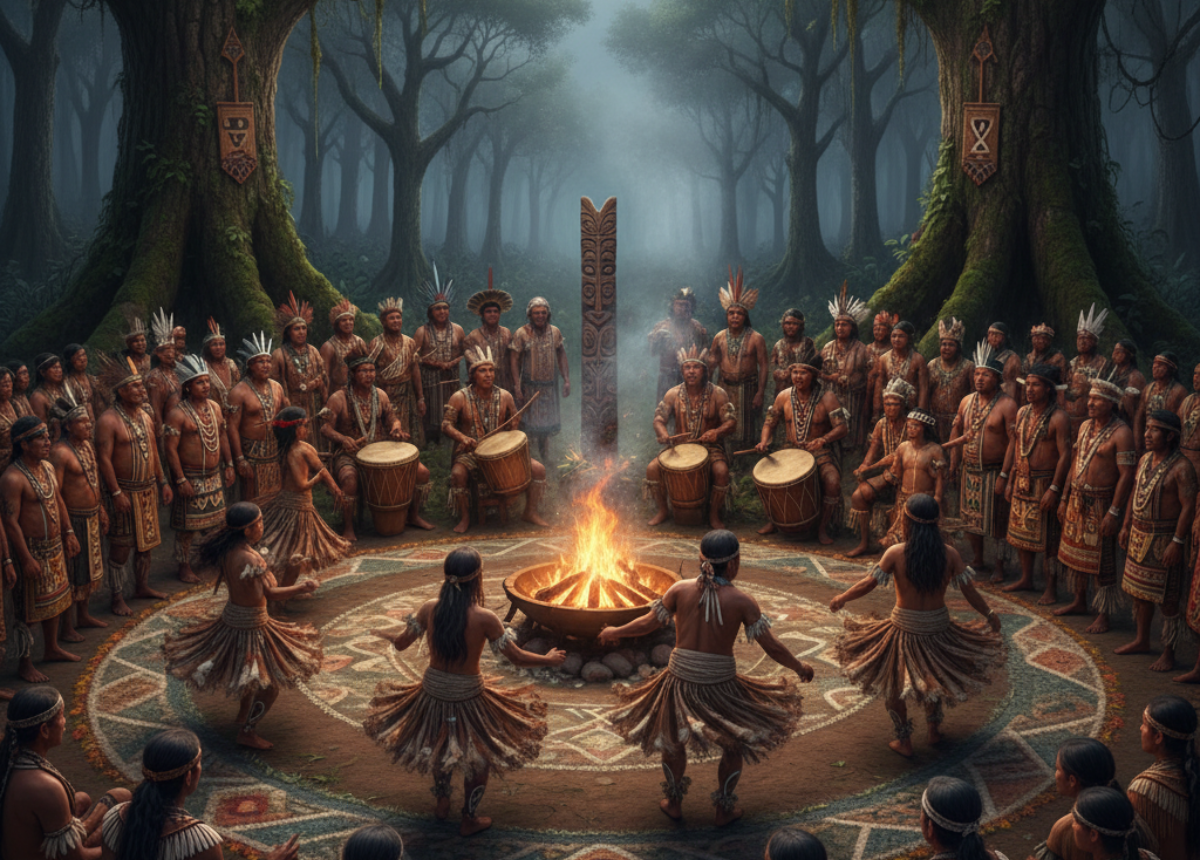
In the rich tapestry of indigenous traditions and cultural practices, the term Nerwey stands out as a symbol of deep-rooted heritage and cultural identity. Though lesser-known internationally, Nerwey holds immense significance within the communities that cherish it, embodying history, spirituality, and social values.
What is Nerwey?
Nerwey is a traditional cultural practice, ritual, or social custom observed by specific indigenous groups. While details may vary across regions, Nerwey generally represents a ceremonial activity that emphasizes community bonding, spiritual connection, and the preservation of cultural heritage. It often involves unique rituals, traditional attire, music, dance, and storytelling that have been passed down through generations.
Origins and Historical Background
The origins of Nerwey are deeply intertwined with the history and worldview of the community that practices it. Historically, Nerwey served as a rite of passage, a spiritual rite, or a communal celebration marking significant life events such as births, coming-of-age, marriages, or harvest festivals.
The practice is believed to have ancient roots, dating back centuries, and has evolved over time while maintaining its core cultural significance. It acts as a bridge connecting past and present, ensuring that traditions remain alive amidst modern influences.
Cultural Significance
Nerwey is more than just a ritual; it is a vital expression of cultural identity and social cohesion. It:
- Preserves Cultural Heritage: Through traditional songs, dances, attire, and stories, Nerwey keeps the community’s history and values alive.
- Strengthens Community Bonds: Participating in Nerwey fosters a sense of unity and belonging among community members.
- Spiritual Connection: Many aspects of Nerwey are spiritual, aiming to honor ancestors, invoke blessings, or seek protection from spirits.
- Educational Role: It serves as a platform for elders to pass down wisdom, stories, and cultural knowledge to younger generations.
Elements of Nerwey
While specific practices vary, common elements include:
- Traditional Attire: Participants often wear clothing made from locally sourced materials, decorated with symbols and ornaments representing their heritage.
- Music and Dance: Rhythmic music and dance are central, often performed with traditional instruments.
- Rituals and Ceremonies: These may include offerings, prayers, and symbolic gestures to invoke blessings or honor ancestors.
- Storytelling: Oral narratives recount historical legends, moral lessons, and community values.
Modern Perspectives and Challenges
In today’s rapidly changing world, Nerwey faces challenges such as globalization, cultural erosion, and generational shifts. Many communities are actively working to preserve these traditions through documentation, cultural festivals, and educational programs.
Efforts are also underway to promote Nerwey as an integral part of cultural tourism, helping to generate awareness and economic benefits for local communities while safeguarding their heritage.
Conclusion
Nerwey is a testament to the resilience and richness of indigenous cultures. It encapsulates history, spirituality, and social bonds that have stood the test of time. As we appreciate and learn about practices like Nerwey, we gain a deeper understanding of cultural diversity and the importance of preserving these invaluable traditions for future generations.
