

Introduction
Ozdikenosis is a rare and severe genetic disorder that progressively breaks down the body’s vital systems. Unlike more common illnesses, it remains poorly understood, but ongoing research is beginning to shed light on its devastating effects. This article provides a comprehensive overview of the disease, from its core mechanisms to the challenges of diagnosis and the search for a cure.
What Is Ozdikenosis?
Ozdikenosis is a rare, inherited mitochondrial disorder caused by mutations in the OZDKN1 gene, which disrupts your cells’ ability to create ATP, the body’s main energy currency. Without ATP, cells—especially in energy-hungry organs—begin to die. This lack of energy production is central to why the disease is so devastating. Mitochondria are often referred to as the “powerhouses of the cell” because they are responsible for generating approximately 90% of the energy cells need.
Since mitochondria affect high-demand organs—heart, brain, and liver—these are hit hardest. This definition explains why the symptoms of Ozdikenosis are so widespread and severe, impacting multiple critical bodily functions.
How Ozdikenosis Attacks the Human Body
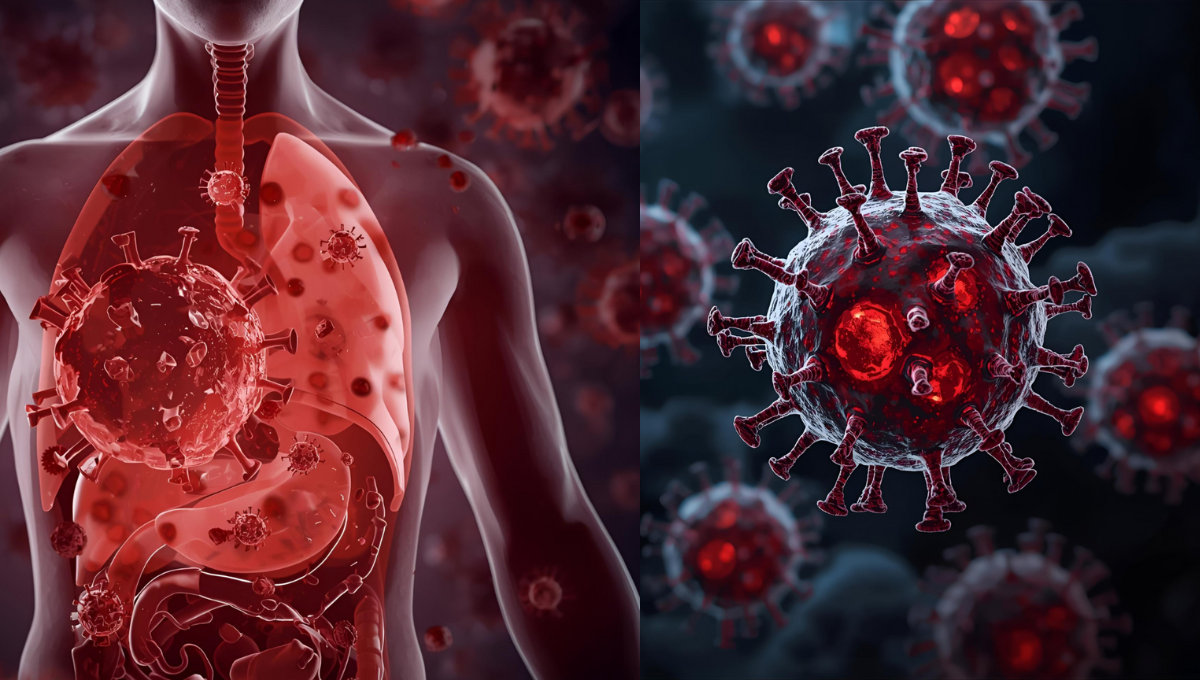
Ozdikenosis attacks multiple vital systems simultaneously through progressive cellular dysfunction. The disease’s pathological mechanisms target both organ systems and cellular structures, leading to widespread damage throughout the body.
Impact on Major Organ Systems
-
Cardiovascular System: Damages heart muscle cells causing arrhythmias, reduced cardiac output, and blood vessel deterioration.
-
Nervous System: Destroys myelin sheaths surrounding nerve cells, disrupting neural signaling and causing seizures.
-
Respiratory System: Weakens diaphragm muscles and reduces lung capacity to 40-60% of normal function.
-
Hepatic System: Impairs liver enzyme production leading to toxin accumulation and metabolic dysfunction.
-
Renal System: Reduces kidney filtration capacity, leading to electrolyte imbalances and fluid retention.
This systemic breakdown is why the condition carries such a high mortality rate.
The Fatal Progression of Ozdikenosis
The disease progresses through three distinct stages:
-
Early Phase: Metabolic irregularities, mild fatigue, organ function changes.
-
Progressive Phase: Organ system deterioration, neurological symptoms emerge.
-
Terminal Phase: Multiple organ failure, severe metabolic imbalance, cognitive decline.
These symptoms appear gradually over months or years as the genetic mutation affects cellular energy production through mitochondrial dysfunction.
Key Symptoms and Warning Signs
Recognizing early signs is critical. Common red flags include:
-
Persistent fatigue
-
Chest pain or pressure
-
Shortness of breath
-
Unexplained fever
-
Muscle weakness
Since these symptoms overlap with other illnesses, Ozdikenosis often gets ignored until too late.
Who Is Most at Risk?
Not everyone faces the same danger from Ozdikenosis. Some people are more likely to get it than others.
-
Genetics and family history: If family members have it, your chance is higher. It often runs in families with other energy or immune problems.
-
Age: Both kids and adults can get it. But adults may feel it worse because their bodies are weaker.
-
Environmental triggers: Stress, bad chemicals, or long sickness can “turn on” the disease in people who already have the risk.
So while anyone can get it, not everyone is at the same risk.
Why Treatments Don’t Fully Work
Doctors have tried many ways to fight Ozdikenosis. Some help a little, but none cure it.
-
Band-aid treatments: Doctors may give vitamins, energy pills, or drugs like steroids. These can ease pain but do not fix the real problem.
-
Real-world limits: Some treatments work well in mice, but not in people.
-
Clinical trials: New ideas, like gene therapy and stem cells, are being tested. They look hopeful, but it is still very early.
Can Ozdikenosis Be Prevented?
Currently, there is no known prevention for Ozdikenosis. Genetic counseling and early genetic testing can help identify carriers and at-risk individuals, but there is no way to prevent the onset of the disease once the gene mutation is present.
Conclusion
Ozdikenosis is a devastating and often fatal condition due to its systemic nature and the lack of effective treatments. Understanding the disease, recognizing early symptoms, and seeking prompt medical attention can help manage the condition and improve quality of life for those affected.
FAQs About Ozdikenosis
-
What is Ozdikenosis?
Ozdikenosis is a rare, inherited mitochondrial disorder caused by mutations in the OZDKN1 gene, leading to progressive cellular and organ dysfunction.
-
How does Ozdikenosis affect the body?
The disease disrupts cellular energy production, leading to widespread organ failure, including the heart, brain, liver, and kidneys.
-
Is there a cure for Ozdikenosis?
Currently, there is no cure. Treatment focuses on managing symptoms and slowing disease progression.
-
How is Ozdikenosis diagnosed?
Diagnosis involves genetic testing, clinical evaluation, and monitoring of organ function.
-
Who is at risk for Ozdikenosis?
Individuals with a family history of the disease or known carriers of the OZDKN1 gene mutation are at higher risk.
