

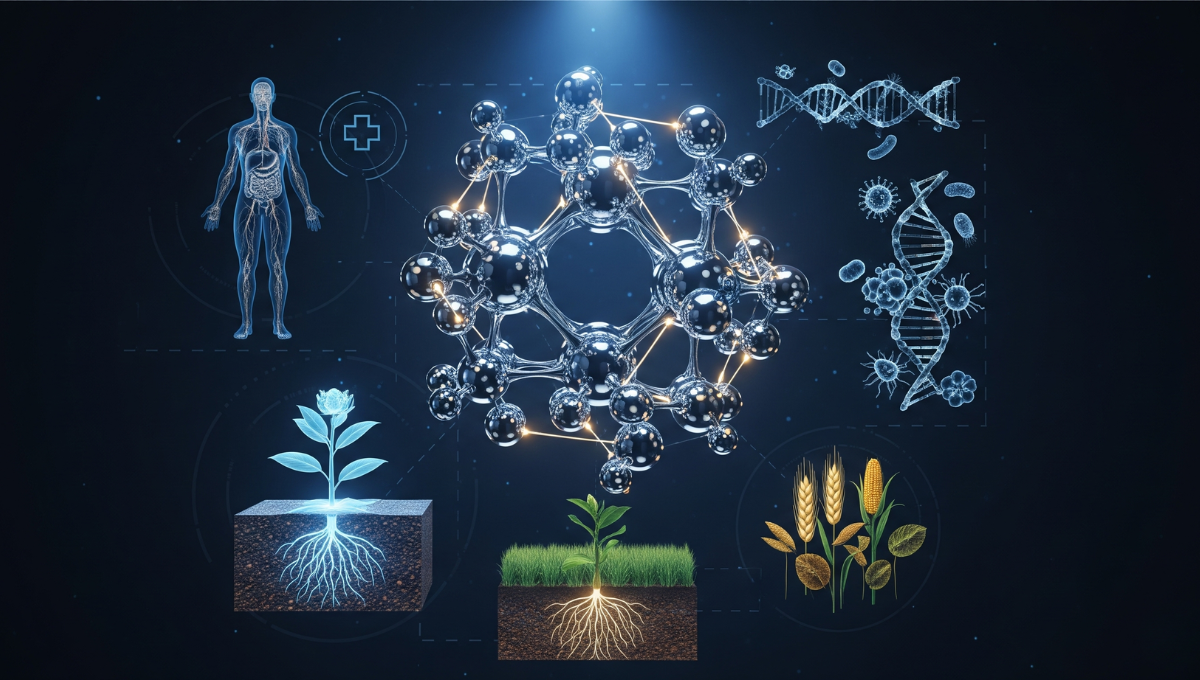
In the ever-evolving world of science and technology, new innovations and breakthroughs continuously reshape industries and improve our lives. One such development that has garnered attention is HOI-371. While the name might sound unfamiliar to some, its potential and impact are increasingly becoming noteworthy across various fields. In this comprehensive overview, we will explore what HOI-371 is, its significance, and how it is making waves in both scientific research and practical applications.
What is HOI-371?
HOI-371 is a cutting-edge compound that has been the subject of research for its unique properties and potential benefits. Originally developed for use in specific scientific domains, HOI-371 is gaining recognition for its versatility and efficiency across a range of applications. Although detailed public information about its origins and chemical makeup may still be limited, early studies suggest that HOI-371 plays a pivotal role in several biochemical processes, especially in the fields of medicine, biotechnology, and pharmaceuticals.
HOI-371 belongs to a class of compounds that exhibit powerful molecular properties, enabling it to interact effectively with specific enzymes and receptors within the body. These interactions are central to its growing interest in medical research, particularly in the development of targeted therapies and treatments for complex conditions.
The Science Behind HOI-371
The uniqueness of HOI-371 lies in its molecular structure and the way it interacts with various biological systems. Preliminary studies show that HOI-371 has a high affinity for certain cellular receptors, which makes it particularly useful in applications related to cell signaling and protein regulation. Its ability to influence these cellular processes offers promising opportunities for drug development, particularly in the treatment of autoimmune diseases, cancers, and inflammatory conditions.
The compound’s efficacy is also tied to its potential in enhancing drug delivery systems, offering more precision and fewer side effects compared to conventional treatments. The application of HOI-371 in targeting specific pathways within the body makes it a powerful candidate for advancing personalized medicine, where treatments are tailored to the individual’s unique biological makeup.
Impact of HOI-371 on Medical Research
The integration of HOI-371 into medical research is one of its most exciting aspects. By understanding how this compound interacts with human cells, researchers are uncovering new avenues for the treatment of diseases that have long been difficult to address. HOI-371 has shown promise in areas such as:
-
Cancer Treatment
Cancer therapies have advanced significantly, but many forms of cancer remain challenging to treat due to their complexity and adaptability. HOI-371’s ability to target and modify specific cellular processes may offer a new way to combat the mutation patterns that lead to cancer. Early-stage research suggests that HOI-371 could work alongside traditional treatments like chemotherapy and immunotherapy to enhance their effectiveness while reducing unwanted side effects. -
Autoimmune Diseases
Autoimmune diseases, where the body’s immune system attacks its own cells, have become more manageable with modern medicine. However, current treatments often involve broad-spectrum immune suppression, which can lead to a range of complications. HOI-371’s potential to precisely modulate immune response without suppressing it entirely could revolutionize how these diseases are managed, offering more targeted and less harmful treatments. -
Inflammation and Chronic Pain
Chronic inflammation is a major contributor to a variety of health conditions, including arthritis, heart disease, and neurological disorders. HOI-371 is being explored as a potential solution for reducing chronic inflammation by targeting the root causes at a molecular level. The compound’s ability to influence the body’s inflammatory pathways could lead to more effective treatments for pain management and inflammation-related diseases. -
Neurodegenerative Diseases
Conditions like Alzheimer’s and Parkinson’s disease represent some of the most significant challenges facing modern healthcare. HOI-371’s promising effects on cellular regeneration and protection against oxidative stress make it a potential candidate in the fight against these diseases. By promoting the health of neurons and protecting them from damage, HOI-371 could play a role in slowing or even reversing certain aspects of neurodegeneration.
Applications Beyond Medicine: Biotechnology and Agriculture
Aside from its medical uses, HOI-371 holds promise for applications in both biotechnology and agriculture.Beyond its medical implications, HOI-371 has potential applications in biotechnology and agriculture. In the biotechnology sector, the compound’s ability to interact with enzymes and cellular processes makes it an ideal candidate for use in bioreactors, where it could be used to optimize the production of biopharmaceuticals and industrial enzymes. Its role in genetic engineering and biomanufacturing could help streamline the production of complex compounds, enhancing the efficiency of these processes.
In agriculture, HOI-371 might also play a role in improving crop yields and resistance to disease. By optimizing plant growth processes or offering protection against pathogens at the cellular level, HOI-371 could become a valuable tool in the development of more resilient and high-yielding crops. Its use in this context could help address food security concerns, particularly in regions where agricultural productivity is a challenge.
The Future of HOI-371: Challenges and Opportunities
While HOI-371 holds significant promise, there are still hurdles to overcome before it can reach its full potential. One of the main challenges is the need for further research to fully understand the compound’s long-term effects and any potential risks associated with its use. Safety and efficacy trials will be critical in determining how HOI-371 can be integrated into clinical treatments and commercial applications.
Another challenge lies in the scalability of HOI-371’s production. Developing cost-effective methods for manufacturing the compound at a large scale will be essential for its widespread use in medical and industrial applications.
Despite these challenges, the opportunities that HOI-371 presents are vast. As research progresses, the compound could transform a variety of fields, from medicine to agriculture, offering innovative solutions to some of the world’s most pressing problems.
Conclusion: HOI-371’s Transformative Potential
HOI-371 is a compound that could shape the future of medical treatments, biotechnology, and agriculture. Its potential to target specific cellular processes and influence a range of biochemical pathways offers exciting prospects for personalized medicine, chronic disease treatment, and even sustainable agricultural practices. As research continues, HOI-371 stands poised to become a powerful tool in improving human health and enhancing various industries.
While challenges remain in fully understanding and harnessing its potential, the early signs are clear: HOI-371 is a compound with the ability to make a profound impact. The journey of discovery is only beginning, and its transformative applications could soon change the way we approach health, industry, and sustainability.
